Born in Istanbul in 1970, Ömer Atakan completed his secondary education at Saint-Joseph High School before graduating from the Faculty of Architecture at Mimar Sinan University. He continued his education at the University of California, Los Angeles (UCLA), focusing on Cinema and Digital Technologies, where he developed a multidisciplinary perspective.

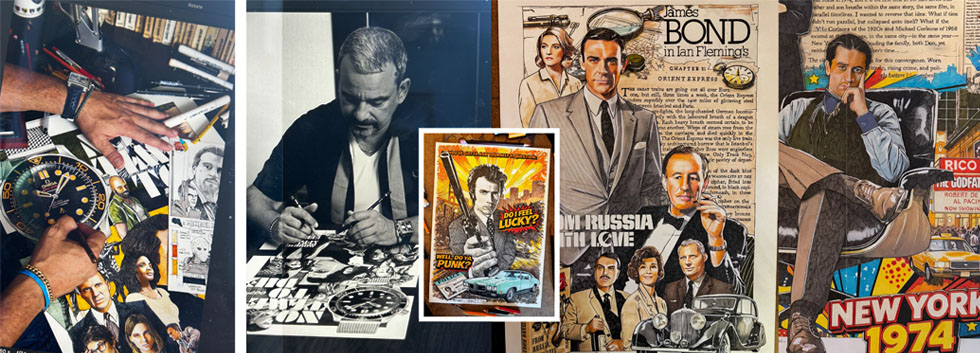
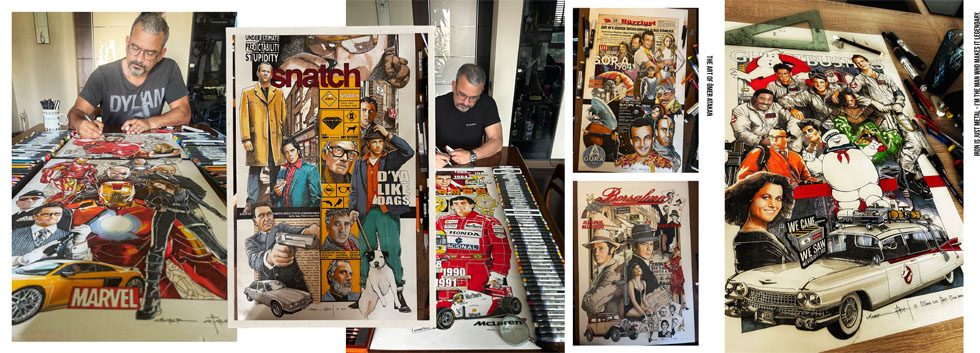
In recent years, Atakan has expanded his architectural practice toward painting and visual storytelling within a contemporary pop art framework. He combines a cinematic sensibility with graphic narration, illustration, and pop art–based painting to create a distinctive artistic language. Working primarily on heavyweight paper, his technique incorporates pencil, ink, marker, pastel, and acrylic. His works - where popular culture, personal memory, and collective history intersect - have been exhibited at contemporary art fairs and exhibitions both in Turkey and internationally, and are included in the private collections of leading collectors in Turkey and abroad. Atakan continues his artistic production based in Istanbul and Paris.


In Atakan’s work, nostalgia is not a superficial homage to the past, but an attempt to reconstruct it through the lens of the present. As in his book Kelebek Camı, he blends the visual traces of earlier eras with the emotional memory of today, creating a layered dialogue between then and now.

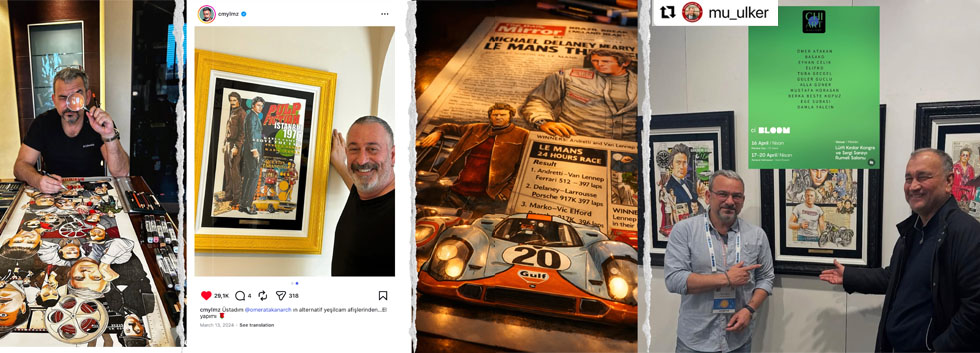
In his practice, cinema is not only a theme but also a method. His particular interest in Quentin Tarantino becomes visible through alternative film posters and speculative visual narratives. His Pulp Fiction piece, imagined as if it were shot with Cüneyt Arkın and Kadir İnanır, is a visual fiction that never existed yet feels entirely plausible. Similarly, works that reimagine Ayhan Işık as James Bond, or reinterpret films such as L.A. Confidential through iconic figures of Turkish cinema, reveal how skillfully he constructs cultural hybridity.

This approach resonates not only with viewers but also with art collectors. Ömer Atakan’s works are now part of the private collections of figures such as Cem Yılmaz and Murat Ülker. The pieces acquired by Cem Yılmaz reflect a deep appreciation for the artist’s creative engagement with popular culture. A Get Carter–referenced work in Murat Ülker’s collection gains additional meaning through its connection to the exact automobile model featured in the film, marking a point where personal memory and aesthetic form intersect.


In the artist’s production, every image is a narrative, and every narrative forms a map of memory. His works dedicated to The Godfather series trace the entire story chronologically, from 1908 to the 1980s. Characters, historical events, corporate logos, and even micro-details that capture the spirit of each era demonstrate the precision of Atakan’s visual memory and his meticulous relationship with the past. Some works function almost like character dossiers: psychological panels that translate a film character’s inner state, personal history, and temporal position into graphic form. These are less visual narratives than aesthetic versions of inner monologues. While remaining faithful to a storyboard logic, they open up a narrative space beyond cinema itself. Typography is also an integral part of his language. In works reminiscent of film posters, the balance between text and image creates a strong graphic harmony, underscoring Atakan’s organic connection to graphic design.